

BETTER BALANCE
Research + Evidence
Smartphone and other digital media use are exposing young people to risks and replacing experiences that help youth achieve their full potential. SYNC is a movement designed to shift local norms from continuous scrolling to intentional technology use, creating connections rooted in belonging.
Research at a Glance
To learn more about the evidence linking digital devices to mental health, explore these research summaries curated by Children and Screens: Institute of Digital Media and Child Development.
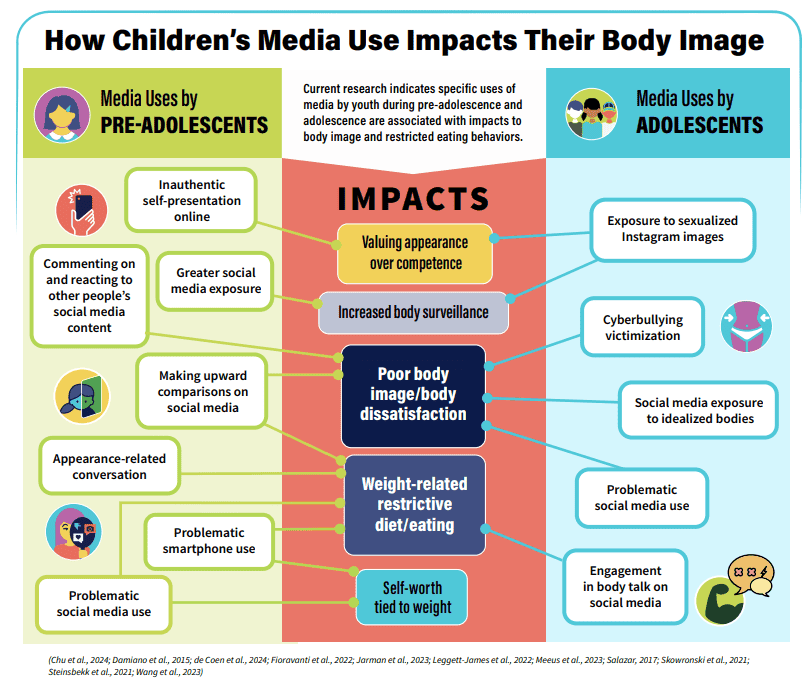
Digital Media and Youth Body Image
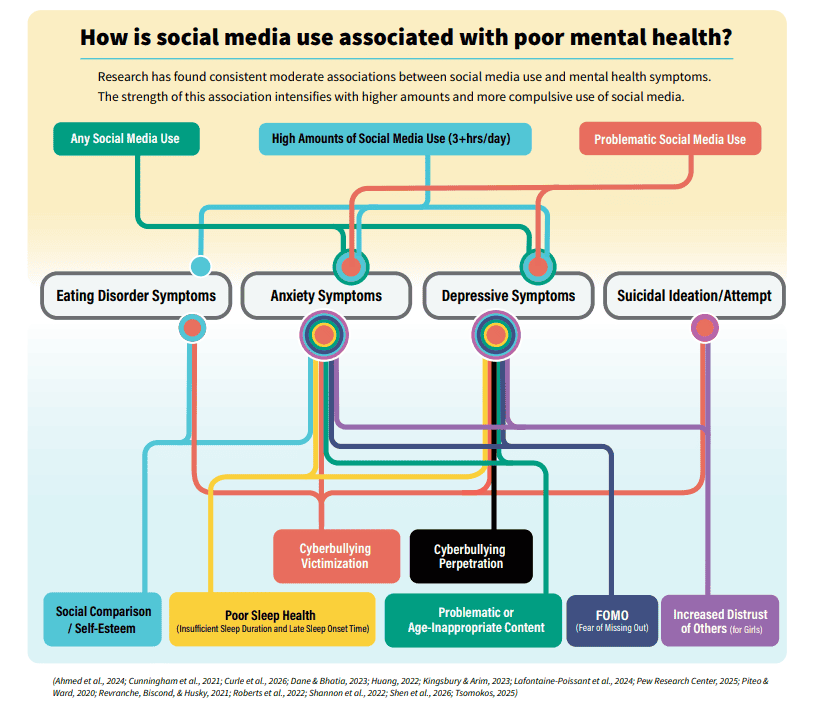
Social Media and Youth Mental Health
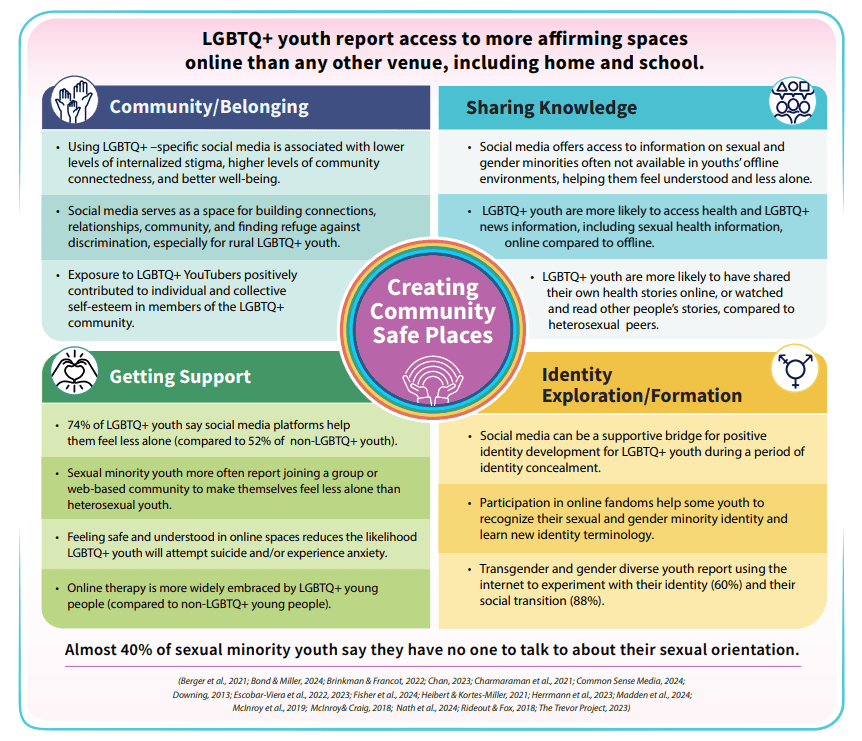
LGBTQ+ Youth and Digital Media Use
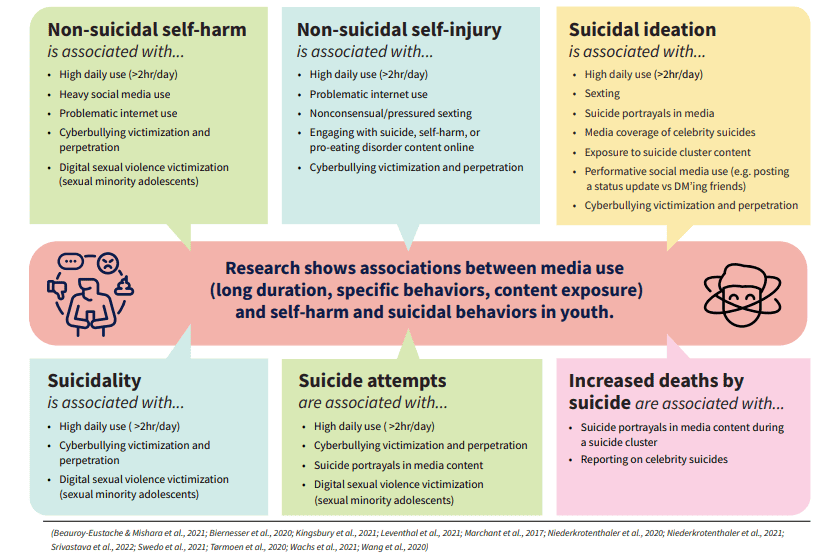
Suicide, Self-Harm, and Digital Media Use
- Smartphone ownership, age of smartphone acquisition, and health outcomes in early adolescence
- Teens, Social Media and Mental Health
- Dose-response association of screen time-based sedentary behaviour in children and adolescents and depression: a meta-analysis of observational studies
- Associations of screen exposure with psychosocial problems in primary school students
- Screen time and standardized academic achievement tests in elementary school
- Electronic media use and academic performance in late childhood: a longitudinal study
- Sleep problems, sleep duration, and use of digital devices among primary school students in Japan
- Problematic media use among children up to the age of 10: A systematic literature review
- Associations between media parenting practices and early adolescent screen use
Our Partners






School Partners
Our Funders